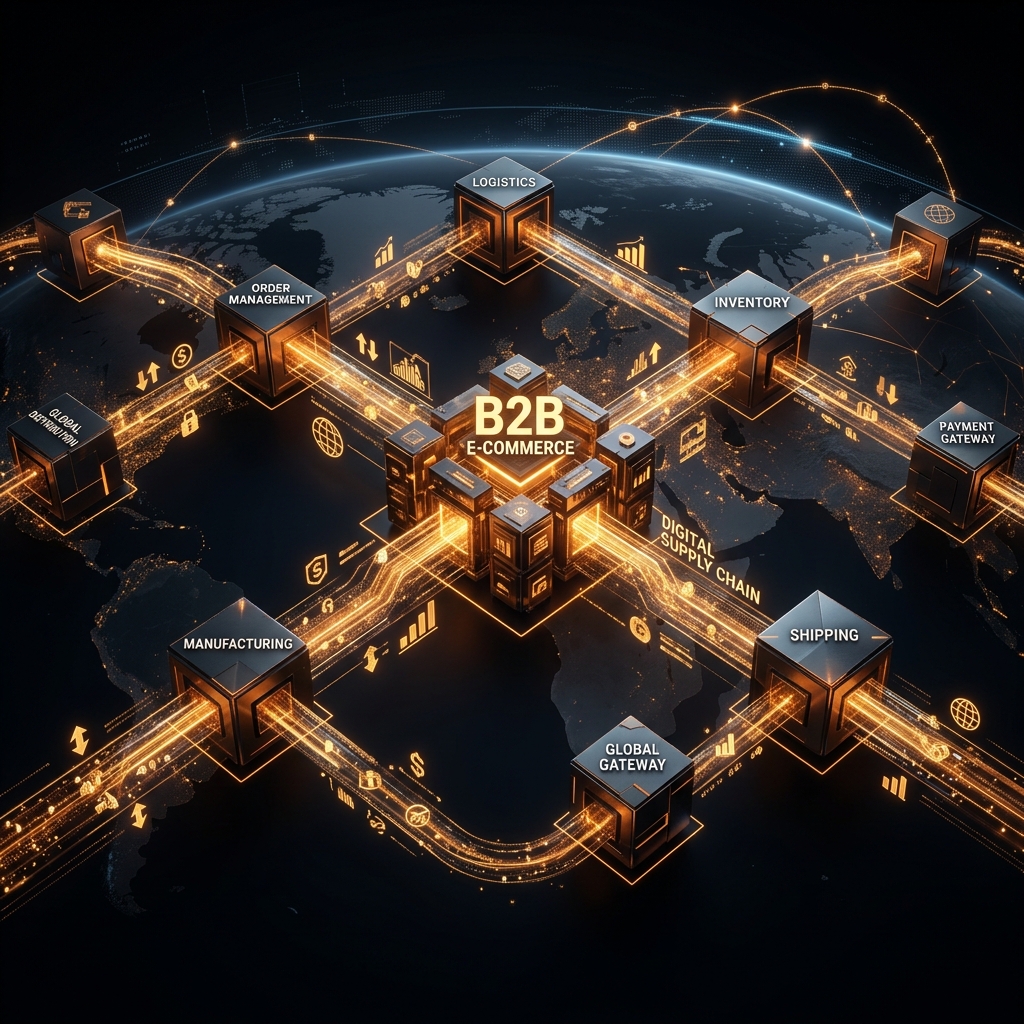
The Evolution of B2B E-commerce
The landscape of B2B purchasing is undergoing a profound transformation. Driven by shifting buyer demographics, modern B2B e-commerce trends emphasize the need for digital supply chains that mirror the frictionless, personalized experiences of consumer marketplaces. A comprehensive analysis of these trends reveals a strong shift toward headless commerce and advanced personalization engines.
Tradeoffs in Modern Architectures
When modernizing digital platforms, organizations face significant architectural tradeoffs. Adopting headless commerce—where the front-end user interface is decoupled from the back-end database—offers unparalleled customization and speed. However, this flexibility comes at a cost. The tradeoff involves balancing highly customized user experiences against the increased complexity and higher maintenance costs of managing multiple disparate systems.
Another challenge is integrating these modern e-commerce platforms with deeply entrenched legacy ERP systems. Ensuring seamless, real-time synchronization of inventory and dynamic pricing across these systems requires significant technical investment.
Considering the Impact
It is vital to consider the impact on procurement teams when making decisions about B2B e-commerce platforms. A poorly designed interface can introduce friction, driving buyers to competitors. Conversely, a streamlined, objective, and data-driven purchasing portal empowers buyers to make efficient decisions, ultimately strengthening vendor-client partnerships and driving sustainable revenue growth.